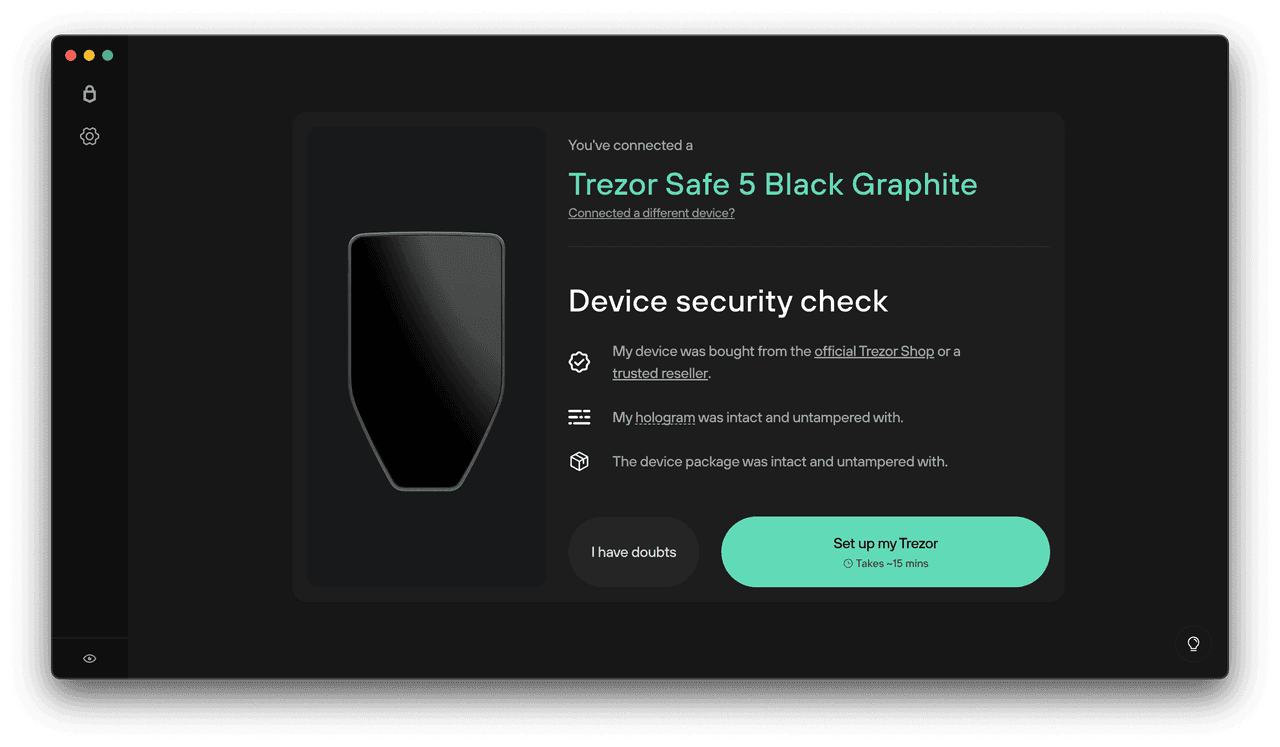
Trezor Login: A Complete Guide
Trezor is one of the most trusted hardware wallets in the cryptocurrency space. It offers a secure and user-friendly method for managing digital assets offline. At the core of accessing Trezor’s functionality is the Trezor login process, which ensures that only authorized users can access their crypto funds. Understanding Trezor login is crucial for anyone using the device, whether you are new to crypto or an experienced trader.
What is Trezor?
Before diving into the login process, it’s important to understand what Trezor is and why it is used. Trezor is a hardware wallet designed to store cryptocurrency private keys in a secure offline environment. Unlike software wallets or exchange accounts, which are vulnerable to hacks and phishing attacks, Trezor keeps your keys safe by remaining disconnected from the internet during most operations.
Trezor was introduced by SatoshiLabs in 2014 and has since become a leading choice for individuals looking for high-security wallets. It supports a wide range of cryptocurrencies including Bitcoin, Ethereum, Litecoin, and many ERC-20 tokens.
Why Trezor Login is Important
Trezor login is not just a routine process. It is a critical security feature that protects your crypto assets from unauthorized access. Since Trezor stores your private keys, gaining access requires a multi-step verification process. This ensures that even if someone physically obtains your Trezor device, they cannot access your funds without the proper authentication.
Logging into Trezor also allows you to interact with your wallet through Trezor Suite, a desktop or web-based application that provides portfolio management, transaction monitoring, and wallet settings. Proper login practices are essential to ensure that your assets remain secure while using Trezor Suite.
Requirements for Trezor Login
To log into your Trezor wallet, you need a few things:
Trezor Device: Either Trezor One or Trezor Model T.
Computer or Mobile Device: Desktop computers are preferred, but Trezor can also be accessed via supported mobile browsers or Trezor-compatible apps.
Trezor Suite Software: This is the official software to manage your Trezor device. It can be downloaded from the official Trezor website.
PIN Code: Set during device setup.
Recovery Seed: A backup of your wallet in case your device is lost or stolen.
Having these ready ensures a smooth and secure login process.
Step-by-Step Guide to Trezor Login
Step 1: Connect Your Device
Begin by connecting your Trezor hardware wallet to your computer using a USB cable. For mobile devices, ensure that your Trezor supports the connection method you are using. The device will power on automatically and display the welcome screen.
Step 2: Open Trezor Suite
Trezor login is primarily managed through Trezor Suite. Open the Trezor Suite application on your desktop or web browser. Ensure that you are using the official version to avoid phishing attacks. Trezor Suite provides a simple interface where you can access all your wallet functions.
Step 3: Authenticate Your Device
Once Trezor Suite detects your device, you will be prompted to enter your PIN code. The PIN code is a crucial security layer and should be kept confidential. The device may display a scrambled number grid for security purposes. Enter your PIN using this grid rather than your keyboard to prevent malware from recording your keystrokes.
Step 4: Access Your Wallet
After entering the correct PIN, your wallet will be unlocked, and you can access your account information, including your cryptocurrency balances, transaction history, and wallet settings. From here, you can perform transactions, manage accounts, or connect with third-party applications that support Trezor.
Step 5: Optional Passphrase
For enhanced security, Trezor allows users to set up an optional passphrase. This adds another layer of protection. If you have set a passphrase, you will need to enter it during login. The passphrase acts as an extension of your recovery seed and ensures that even if your seed is compromised, your funds remain secure.
Security Measures During Trezor Login
Trezor implements several security features during login to prevent unauthorized access:
PIN Entry Protection: The device uses a randomized keypad, which ensures that keyloggers cannot steal your PIN.
Recovery Seed Verification: During setup or in case of device recovery, the device asks for the recovery seed to verify your identity.
Optional Passphrase: Adds an additional layer of protection that is not stored on the device.
Offline Key Storage: Your private keys never leave the Trezor device, minimizing exposure to online threats.
These security measures make Trezor login one of the safest methods to access your cryptocurrency wallet.
Common Issues During Trezor Login
Even with a secure and user-friendly system, users may encounter issues while logging into Trezor. Common problems include:
Incorrect PIN: Multiple incorrect attempts will temporarily lock your device. Take care to enter the PIN accurately.
Device Not Recognized: Ensure that your USB cable is working and your computer has the latest drivers installed. Trezor Suite updates can also resolve recognition issues.
Forgotten Passphrase: If you forget your optional passphrase, you may lose access to the funds associated with it. Always store your passphrase securely.
Outdated Software: Using outdated Trezor Suite or firmware can prevent successful login. Always update to the latest version.
Tips for a Smooth Trezor Login
To ensure a seamless login experience, follow these best practices:
Keep Your Firmware Updated: Regular updates include security patches and performance improvements.
Secure Your PIN and Passphrase: Never share your credentials with anyone.
Backup Recovery Seed: Store your recovery seed in a secure location, preferably offline, to prevent unauthorized access.
Use Official Software Only: Avoid third-party apps unless officially supported by Trezor.
Stay Vigilant Against Phishing: Always check the URL and authenticity of the Trezor Suite or website before entering sensitive information.
Trezor Login on Mobile Devices
While Trezor is primarily used with desktop computers, it can also be accessed through mobile devices using supported browsers or apps. The login process on mobile is similar to desktop:
Connect your Trezor device via USB-C or OTG adapter.
Open the Trezor Suite web app in a supported browser.
Authenticate using your PIN and passphrase if applicable.
Access your wallet and perform transactions securely.
Mobile login provides flexibility but requires careful handling of the device to maintain security.
Recovering Access to Your Wallet
In case you lose access to your Trezor wallet due to device damage or loss, the recovery process is essential. Using your recovery seed, you can restore your wallet on a new Trezor device. During this process:
Connect the new device.
Choose the recovery option.
Enter your recovery seed exactly as it was written down during setup.
Set a new PIN code and optional passphrase.
Recovery ensures that even if your device is lost or compromised, your cryptocurrency remains accessible.
Differences Between Trezor One and Trezor Model T Login
Trezor offers two main hardware models: Trezor One and Trezor Model T. While the login process is fundamentally the same, there are a few differences:
Trezor One: Uses a physical screen and buttons for PIN entry and confirmations.
Trezor Model T: Features a touchscreen for easier PIN and passphrase input, providing a more intuitive user experience.
Both models prioritize security and reliability, but the Model T offers a more modern interface for login and wallet management.
Why Users Prefer Trezor Login
Trezor login is preferred by cryptocurrency enthusiasts because it combines security, simplicity, and flexibility. Key advantages include:
Enhanced Security: Multi-layer authentication ensures that unauthorized users cannot access funds.
Ease of Use: Trezor Suite simplifies login and wallet management.
Cross-Platform Access: Users can log in on desktop or mobile devices.
Recovery Options: Lost devices can be replaced without losing assets using recovery seeds.
Wide Cryptocurrency Support: Access all supported coins from a single login interface.
Conclusion
Trezor login is a cornerstone of secure cryptocurrency management. By understanding the process, requirements, and security features, users can confidently access their wallets and manage their digital assets. Whether using Trezor One or Trezor Model T, the login system ensures that your private keys remain safe while allowing convenient access through Trezor Suite. Following best practices such as securing your PIN, passphrase, and recovery seed, and keeping your software up to date, further enhances the safety of your crypto holdings. For anyone serious about cryptocurrency security, mastering Trezor login is an essential step.